How to protect your people, devices, and project information wherever the work takes you.
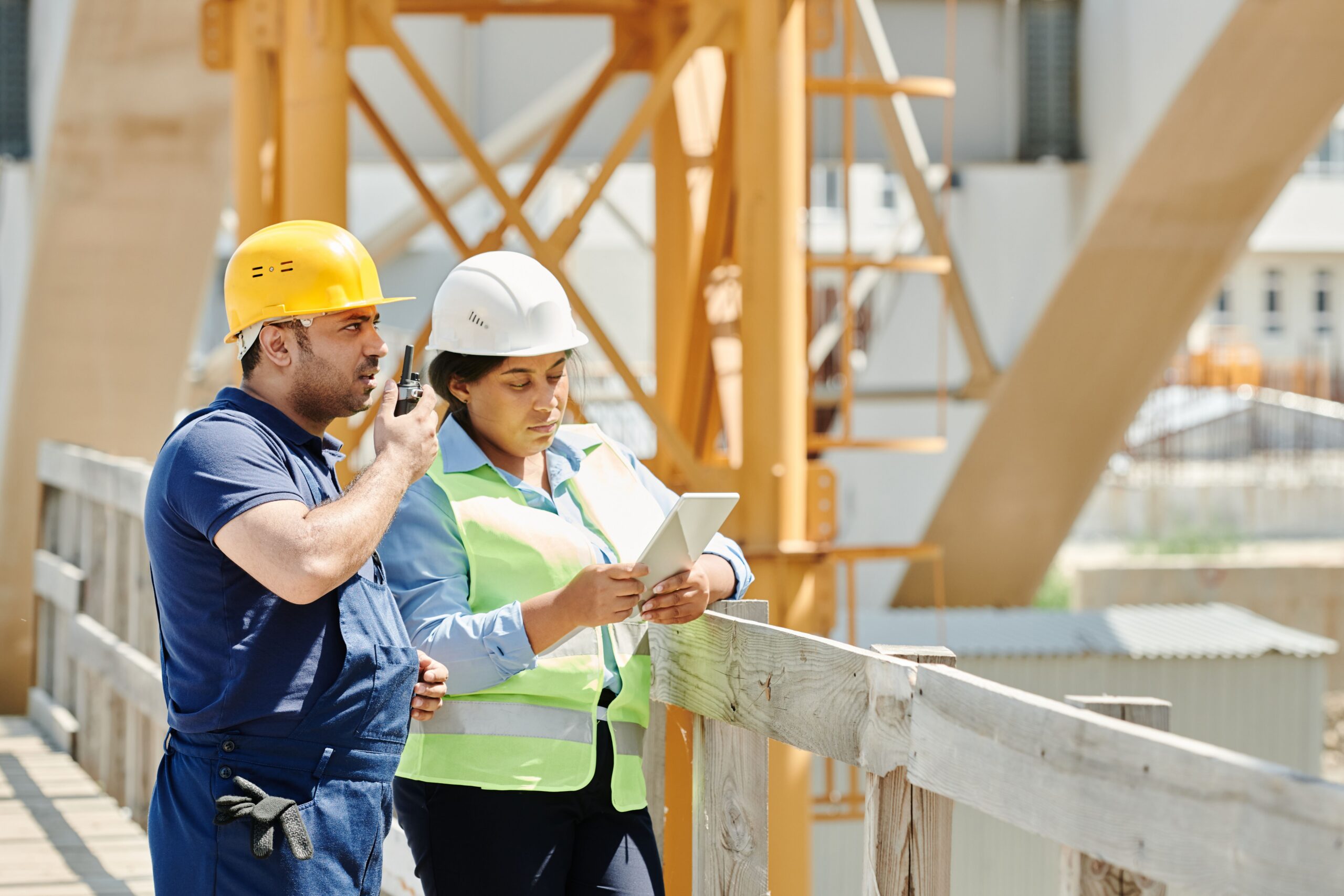
It might be a project trailer on Monday, a pickup truck on Tuesday, a jobsite on Wednesday, and a home office on Thursday. Employees, project managers, estimators, subcontractors, and leadership may all need access to company systems from different locations and different devices.
That flexibility helps construction companies keep projects moving. It also means cybersecurity has to extend well beyond the walls of the main office.
LoyalITy works with construction firms facing exactly these challenges, including jobsite connectivity, mobile-device security, remote access, file sharing, changing crews, and protecting important financial and project information.
More Locations Mean More Ways to Connect
Years ago, protecting a business network generally meant securing computers and servers inside one building.
Construction is different.
A superintendent may access drawings from a tablet. A project manager may approve a change order from home. An estimator may open bid documents from a laptop at another location. Employees may connect to cloud applications using jobsite Wi-Fi or cellular connections.
None of these activities are unusual. They are simply how modern construction companies work.
The challenge is making sure employees have convenient access to the information they need without creating unnecessary gaps in security.
Mobile Devices Need to Be Part of Your Cybersecurity Plan
Phones, tablets, and laptops make field work much easier, but they also move company information outside of the traditional network.
That makes a few basic questions worth asking:
- Which devices can access company systems?
- Are those devices company-owned or personal?
- Are passwords and multi-factor authentication required?
- What happens if a device is lost or stolen?
- Can access be removed remotely?
- Are devices receiving regular security updates?
The goal is not to make mobile technology difficult to use. It is to make sure the same basic security standards follow employees wherever they are working.
Remote Access Should Be Easy for Employees and Difficult for Everyone Else
Construction companies frequently need employees to access files, accounting systems, project-management platforms, email, and other business applications remotely.
Secure remote access can make that possible without forcing employees to find their own workarounds.
That last part matters.
When the approved way to access information is complicated or unreliable, employees may start emailing files to personal accounts, saving information on personal devices, sharing passwords, or using other shortcuts simply to get their jobs done.
Good cybersecurity should support productivity, not fight against it. The easier it is for employees to use approved systems correctly, the less likely they are to create their own solutions.
Cloud Files Still Need Protection
Moving information to the cloud does not automatically make it secure.
Construction firms may store drawings, contracts, estimates, financial information, customer records, photographs, project documentation, and other important information in cloud-based systems.
Access to those systems should be managed just as carefully as access to a traditional company server.
That can include strong passwords, multi-factor authentication, appropriate user permissions, secure backups, and regularly reviewing who still needs access.
This is especially important in an industry where project teams can change frequently.
Employee Turnover Creates an Access-Control Challenge
Construction companies often have employees, seasonal workers, contractors, and subcontractors joining and leaving projects.
Every personnel change creates another small IT task:
Who needs access and who no longer needs it?
When an employee leaves, their access to email, files, applications, cloud platforms, and other company resources should be removed promptly.
The same principle applies when someone’s responsibilities change. An employee may need access to information for one project but not another.
A good onboarding and offboarding process helps make sure access follows the employee’s actual role rather than accumulating indefinitely.
Shared Jobsite Wi-Fi Deserves Some Attention
Jobsite connectivity is essential, but jobsite networks are not always as controlled as the network inside a permanent office.
Multiple employees, subcontractors, vendors, and visitors may all need internet access.
That does not mean everyone should be connecting to the same network.
Separating business systems from guest access and other devices can help limit unnecessary exposure. LoyalITy specifically identifies unsecured mobile devices and shared jobsite Wi-Fi as cybersecurity considerations for construction firms.
Like many cybersecurity improvements, this does not need to make the jobsite more complicated. Most of the work happens behind the scenes.
Your Employees Are an Important Part of the Solution
Technology can block many threats, but employees still make decisions every day that affect security.
- Is that email legitimate?
- Should I open this attachment?
- Can I send these project files using my personal email?
- Is it okay to use this Wi-Fi network?
- Should I approve this unexpected login request?
Cybersecurity training helps employees recognize situations that deserve a second look.
The goal should not be to turn everyone into a cybersecurity expert. It should be to give employees enough knowledge to recognize something unusual and know when to ask for help.
Construction Cybersecurity Has to Be Built for the Field
A cybersecurity strategy that only protects the main office is not enough when much of your company works somewhere else.
Security should follow your employees, devices, applications, and information from the office to the jobsite and everywhere in between.
That means thinking about cybersecurity as a combination of people, technology, policies, access controls, monitoring, and ongoing support not simply installing antivirus software and considering the job finished.
Keep Your Teams Connected and Your Information Protected with LoyalITy
LoyalITy provides Managed IT, Co-Managed IT, and cybersecurity services designed around the way construction companies actually operate. From secure mobile access and cloud systems to endpoint protection, network security, employee training, monitoring, and ongoing IT support, we can help your teams stay connected without sacrificing security.
If your office is everywhere, your IT strategy needs to be everywhere too. Contact LoyalITy to talk about how your construction teams are working today and where practical cybersecurity improvements could help keep projects and people moving.