
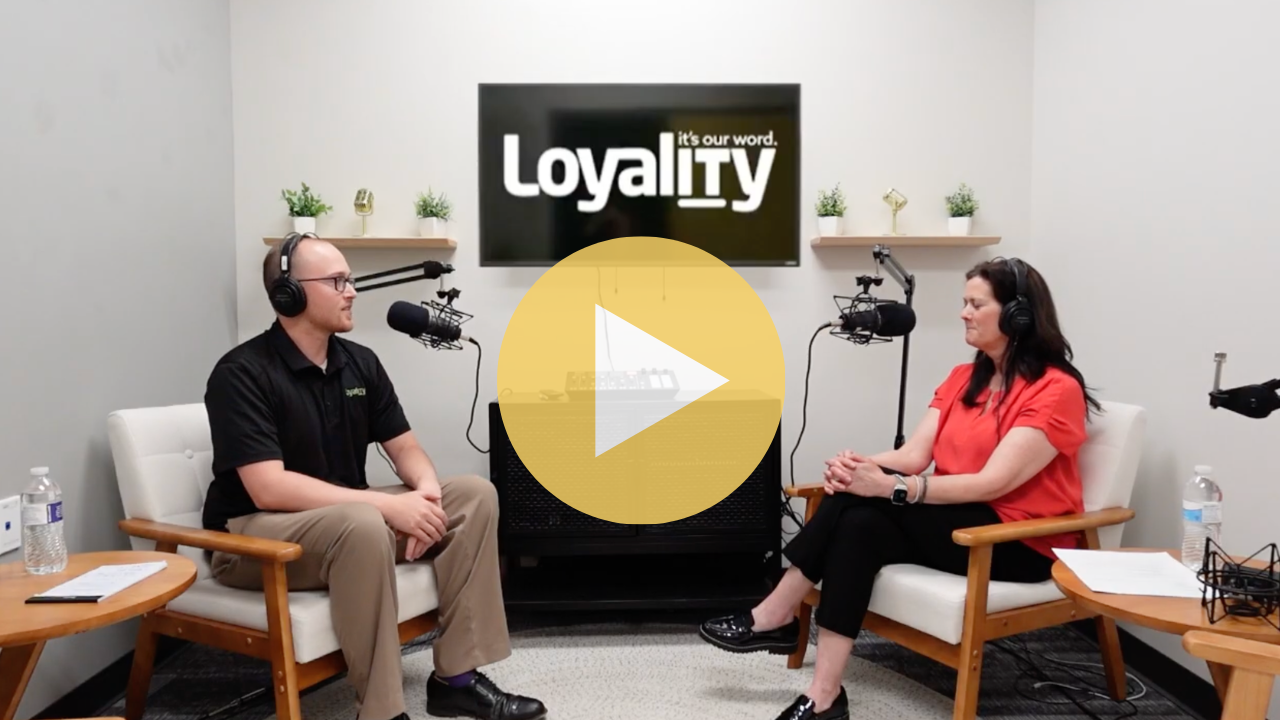
Your Business Tech Podcast with guest Kristen Jonas of Kinesiology HR
In this episode, Conor and Kristen Jonas of Kinesiology HR explore what it takes to manage and lead people well, including leadership blind spots, HR strategy, and the practical steps organizations can take to strengthen their workforce. Watch the full conversation:
Managing people is one of the most important responsibilities inside any organization. It is also one of the most difficult.
A leader may have the right intentions, a strong work ethic, and years of experience, but still miss important signals from the team. Communication gaps, unclear expectations, inconsistent feedback, or unaddressed tension can slowly affect morale, productivity, and trust.
In a recent conversation, Conor was joined by Kristen Jonas of Kinesiology HR to discuss how leaders can better manage people, recognize blind spots, and build healthier workplace cultures.
Why Leadership Blind Spots Matter
Every leader has blind spots. These are the habits, assumptions, or patterns that may not be obvious to the person leading, but are very noticeable to the people being led.
A leader may think they are being direct, while employees experience the communication as harsh. A manager may believe they are giving the team independence, while employees feel unsupported. A business owner may assume expectations are clear, even though employees are filling in the blanks on their own.
These blind spots are not always the result of bad leadership. Often, they happen because leaders are busy, pulled in multiple directions, or trying to solve problems quickly. But when they go unchecked, they can create confusion, frustration, and turnover.
Managing People Requires More Than Good Intentions
Good leadership requires consistency, self-awareness, and a willingness to listen.
Employees want to know where they stand. They want to understand what is expected of them, how success is measured, and whether their concerns are being taken seriously. When leaders provide clarity and follow through, teams are more likely to stay engaged and aligned.
This is where HR experience can be especially valuable. Human resources is not just about policies and paperwork. At its best, HR helps organizations create structure around communication, performance, culture, conflict, and employee development.
For small and mid-sized businesses, that structure can make a meaningful difference.
Culture Is Built in Everyday Moments
Workplace culture is not only shaped by mission statements or employee handbooks. It is shaped in daily interactions.
How are difficult conversations handled?
Do employees feel comfortable asking questions?
Are expectations applied consistently?
Are managers equipped to lead people, not just oversee work?
These everyday moments can either build trust or erode it. Leaders who pay attention to those moments are better positioned to create a workplace where people feel respected, supported, and accountable.
A Better Way to Lead
Strong leadership does not require perfection. It requires awareness.
For business owners and managers, that may mean taking a closer look at communication habits, asking for feedback, clarifying expectations, or bringing in outside HR support to identify gaps that are hard to see from the inside.
The goal is not to make leadership more complicated. The goal is to make it more intentional.
When leaders understand their blind spots and take action to address them, they create stronger teams, better communication, and a healthier workplace.