Password Security Can Stop Cybercriminals In Their Tracks
Let’s face it: managing passwords is a pain.
Between remembering dozens of logins, creating complex passwords, changing them when required and keeping track of which password goes with which account, it is easy to understand why people fall into bad habits.
Does this sound familiar?
- Using the same password everywhere.
- Saving passwords in a spreadsheet.
- Letting the browser remember everything.
- Choosing something easy like “Password123!”
Please don’t do this!
Passwords are one of the most common points of entry for cybercriminals. Once an attacker gets access to one set of credentials, they may be able to work their way into email, cloud applications, financial systems, customer data, internal files and more. For businesses, that can quickly turn a simple password problem into a much larger cybersecurity issue.
The good news? Password security does not have to be complicated.
A Password Manager Makes Security Easier
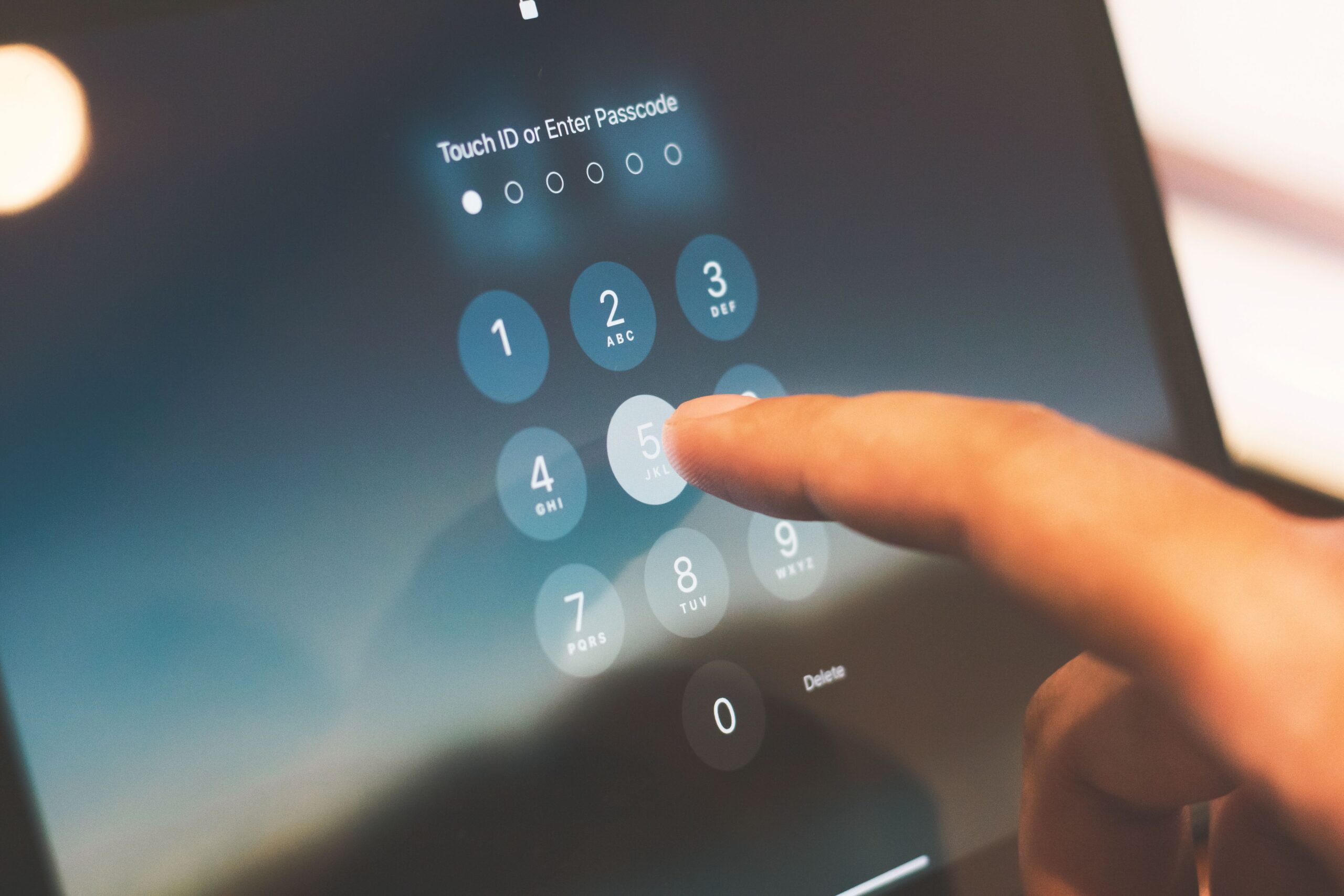
A modern password manager works like a secure digital vault. Instead of trying to remember dozens of passwords, you only need to remember one strong master password. From there, the password manager helps create, store and enter your passwords securely.
For businesses, this is especially important. Employees often need access to multiple systems, shared tools, vendor portals and cloud-based applications. Without a secure password management strategy, those logins can quickly become difficult to control.
A good password manager can help your team:
- Create strong, unique passwords automatically
- Securely autofill passwords, reducing the need to type or copy them
- Alert users if a password may have been compromised
- Safely share access with team members when needed
- Work across phones, tablets, laptops and desktops
Many password managers also support biometric login, such as fingerprint or facial recognition. That can make accessing accounts easier for employees while still keeping security strong.
What Not to Do With Business Passwords
While password managers can make security simpler, many businesses still rely on risky shortcuts.
Passwords should never be stored in Excel files, Word documents, sticky notes, shared documents or basic browser password savers. These options may feel convenient, but they are not secure enough for business use.
If a device is compromised, a file is shared accidentally or an employee leaves the company, those saved passwords can become a serious liability.
Cybercriminals know where to look, and poorly stored passwords are an easy target.A password manager is a better foundation because it gives your business more control, more visibility and more consistency.
Passwords Are Only One Layer of Protection
Strong password management is important, but it is not the entire cybersecurity strategy.
Cybercriminals do not rely on just one method. They use phishing emails, malware, stolen credentials, cloud misconfigurations, unsecured networks, weak endpoints and social engineering. That means your business needs more than one line of defense.
That is where layered cybersecurity comes in.
A layered defense strategy protects your business across multiple areas, including:
- Employee password practices
- Multi-factor authentication
- Email security
- Cloud security
- Network and server protection
- Endpoint security
- Security awareness training
- Backup and recovery planning
- Dark web monitoring
- Ongoing threat detection and response
When these layers work together, your business is in a much stronger position. If one layer is tested, another layer is there to help reduce the risk.
Human Error Is Still a Major Cybersecurity Risk
Even with the right technology in place, employees remain a major part of your cybersecurity posture.
That does not mean employees are the problem. It means they are often the target.
Cybercriminals know that people are busy. They know employees are moving quickly, answering emails, clicking links, downloading files and responding to requests that look legitimate. A single phishing email can lead to a stolen password, a compromised account or a ransomware incident.
That is why cybersecurity needs to include training, policies, tools and ongoing support. Employees should know how to recognize suspicious activity, report potential threats and use secure systems correctly.
A password manager is one practical step. But it should be part of a broader plan.
LoyalITy Can Help Build Stronger Cyber Defenses
At LoyalITy, we help businesses take a proactive, layered approach to cybersecurity.
That includes practical steps like password management strategies, employee training and dark web intelligence, as well as larger protections like email security, cloud hardening, network and server defenses and 24/7 Security Operations Center monitoring.
The goal is not to make cybersecurity feel overwhelming. The goal is to make it manageable, effective and aligned with the way your business actually operates.
Whether you are concerned about weak passwords, phishing attacks, ransomware, cyber insurance requirements or overall security readiness, LoyalITy can help you understand where your risks are and what to do next.
Don’t Wait for a Cyberattack to Find the Gaps
Password security is a great place to start, but it is only one part of protecting your business.
If your team is still saving passwords in spreadsheets, reusing logins, relying on browser password savers or operating without a layered cybersecurity plan, now is the time to take action.
LoyalITy can help you strengthen your defenses from the ground up, starting with smarter password management and expanding into the layered protections your business needs to stay secure.
Ready to get protected? Contact LoyalITy today to schedule a cybersecurity consultation and learn how we can help defend your business against today’s cyber threats.