Making Benefits Easier to Understand, Realness in Sales, and the Power of Trusted Coworkers
Sales, benefits, cybersecurity, employee wellness, workplace culture. On the surface, these topics may not seem connected.
But according to Shane Dickson of Forsite Benefits, they all have something in common: people.
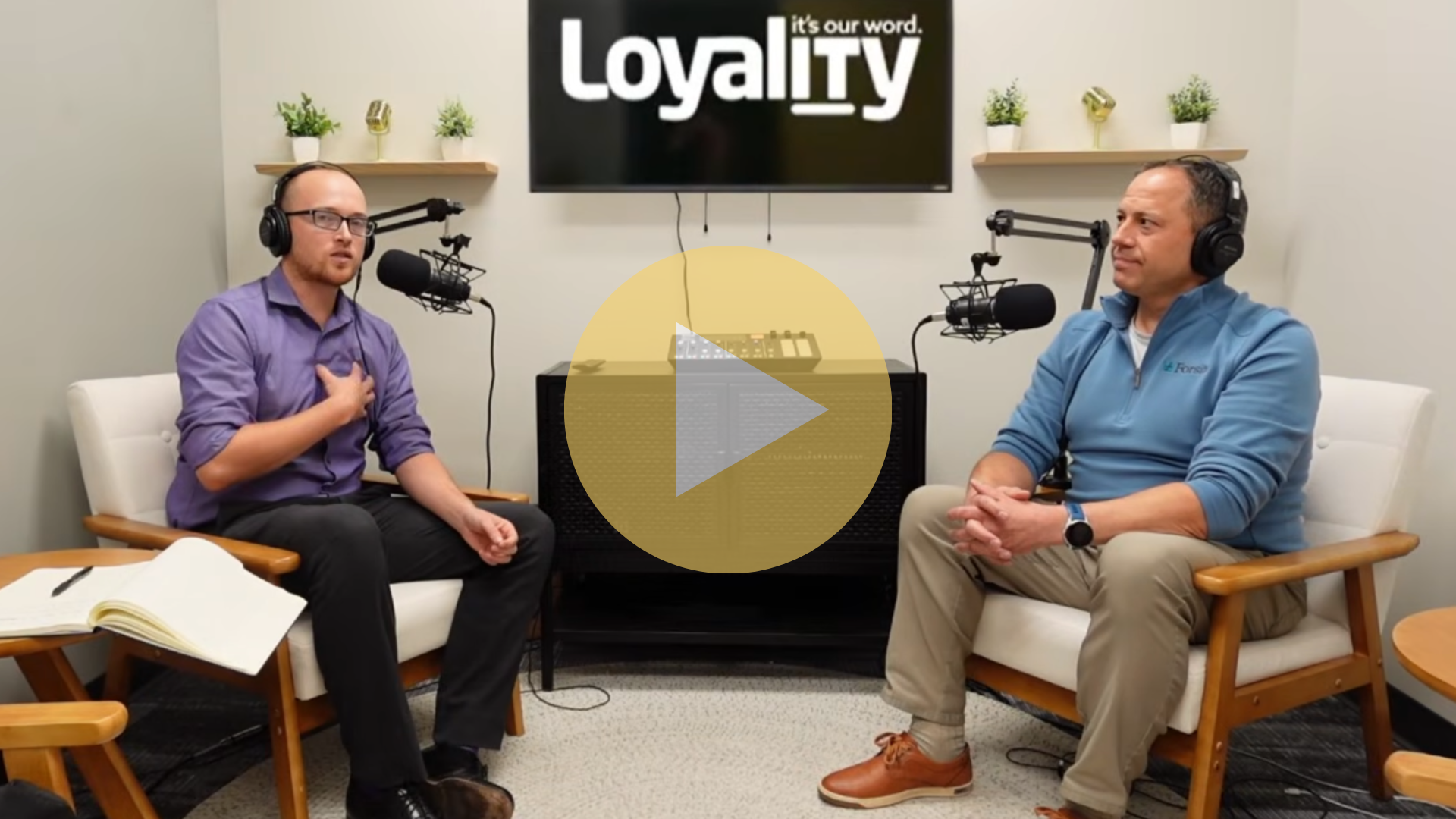
In one of the final episodes of Season 1 of the Your Business Tech Podcast, Conor Jones sat down with Shane to discuss the educational side of sales, the importance of making employee benefits easier to understand, and why having a trusted coworker can completely change your experience at work.
The conversation covered everything from networking and relationship-building to health insurance literacy, employee advocacy, and navigating the challenges that come with modern workplace expectations.
Watch now:
The Human Side of Sales Is Often Overlooked
Sales has a reputation problem.
Too often, people picture aggressive pitches, automated outreach, and transactional relationships.
But Shane believes the best sales conversations start somewhere else entirely: curiosity.
Rather than focusing on quotas, scripts, or sales tactics, he focuses on understanding people, businesses, and the challenges they’re trying to solve.
That approach doesn’t always fit neatly into traditional sales metrics, but it creates something much more valuable: trust.
Whether it’s meeting someone for coffee, attending a community event, or simply having a conversation with no immediate business outcome attached, meaningful relationships often create opportunities that no automated campaign can replicate.
In a world increasingly dominated by AI-generated content and mass outreach, genuine human connection continues to stand out.
People Want to Be Educated, Not Sold
One of the strongest themes throughout the conversation was the difference between selling and educating.
Both Shane and Conor agreed that most people don’t want to feel pressured into making a decision.
They want to understand their options.
When customers have the information they need, they can make confident decisions on their own.
That philosophy applies to benefits, technology, cybersecurity, and almost every professional service industry.
The best advisors aren’t the ones trying to force a solution.
They’re the ones helping people understand the problem first.
Education builds confidence.
Confidence builds trust.
Trust creates long-term relationships.
We Need to Talk About Benefits More Often
For most employees, benefits are one of the most valuable parts of their compensation package.
They’re also one of the least understood.
Many people spend more time researching a television or a vehicle than they spend understanding their health insurance options.
Unfortunately, that often leads to confusion at the worst possible moment.
When a medical emergency occurs, employees suddenly find themselves trying to understand:
- Deductibles
- Copays
- Coinsurance
- Out-of-pocket maximums
- Provider networks
- Prescription coverage
By then, emotions are already high and financial decisions become significantly more stressful.
Shane explained that one of the biggest opportunities in the benefits industry is helping employees understand these concepts before they need them.
When employees understand how their plans work, they’re able to make better healthcare decisions, avoid unnecessary costs, and feel more confident when dealing with providers and insurance carriers.
Benefits Should Include Advocacy
One of the most interesting parts of the discussion was the role advocacy plays in employee benefits.
Many employees assume that when they run into an insurance problem, their only option is to call the insurance company and try to navigate the process themselves.
But benefits partners can often provide an additional layer of support.
Whether it’s helping employees understand a claim, navigate billing issues, or determine what steps to take next, having a knowledgeable advocate can make a complicated situation much easier to manage.
That support can be particularly valuable because healthcare and insurance systems are becoming increasingly complex.
Sometimes what employees need most isn’t another document or website.
They simply need a knowledgeable person they can call for guidance.
Healthier Employees Can Mean Lower Costs
The conversation also explored the connection between employee behavior and healthcare spending.
Health insurance costs continue to rise for employers across the country.
While some factors are outside an organization’s control, others aren’t.
Creating a culture that encourages preventive care, wellness, education, and healthier decision-making can have a meaningful impact over time.
Benefits shouldn’t simply be viewed as an annual renewal discussion.
They should be viewed as part of a broader strategy to support employee health and long-term organizational success.
The more employees understand how healthcare works, the better positioned they are to make informed decisions that benefit both themselves and their employers.
Technology, Cybersecurity, and Benefits Have More in Common Than You Think
Although Shane works in benefits and Conor works in technology, they discovered that many of the same principles apply to both industries.
Neither technology nor benefits should be treated as a one-time purchase.
Both require education.
Both require behavior change.
Both require ongoing communication.
And both work best when people understand not only what they’re using, but why they’re using it.
Whether you’re helping employees avoid phishing attacks or helping them understand their deductible, the challenge is often the same: providing education before a problem occurs.
Proactive guidance nearly always produces better outcomes than reactive problem-solving.
Everyone Needs a Trusted Coworker
Perhaps the most personal and relatable part of the conversation centered around workplace relationships.
Both Shane and Conor reflected on a previous work environment where having someone they trusted made difficult situations easier to navigate.
Not every workplace is perfect.
Projects become stressful.
Expectations increase.
Goals aren’t always met.
Organizational changes create uncertainty.
During those moments, having one person you trust can make an enormous difference.
Not necessarily someone who has all the answers.
Just someone who listens, provides perspective, and helps you think through challenges.
For professionals navigating demanding careers, that kind of support can be invaluable.
The Pressure of Always Being Available
Another topic that resonated throughout the discussion was the expectation that professionals should always be connected.
Emails.
Texts.
Phone calls.
Chat messages.
Notifications.
The modern workplace often creates the feeling that people need to be available 24 hours a day.
While technology enables incredible flexibility, it also creates new pressures.
Many professionals struggle to separate work from personal life, respond to every notification, and avoid missing opportunities.
The challenge isn’t simply managing technology.
It’s creating healthy boundaries around it.
Because long-term success requires more than productivity.
It requires sustainability.
Final Thoughts
At its core, this conversation wasn’t really about benefits or sales.
It was about people.
It was about taking the time to educate rather than pressure.
Building trust rather than transactions.
Creating relationships rather than simply generating revenue.
Whether you’re helping employees understand healthcare, helping businesses navigate technology decisions, or simply supporting a coworker through a difficult season, the most meaningful impact often comes from being willing to listen, teach, and show up consistently.
In a business world increasingly focused on automation and efficiency, that human element may be more valuable than ever.